Kinds of Plastic Cap: How to Select Your Most Suitable Plastic Cap for Your Fragrance
As a niche fragrance brand owner, you know that the scent inside the bottle tells a story. But before a customer ever sprays the perfume, they touch the cap. The cap is the handshake, the first impression, and a crucial part of the unboxing experience.
When it comes to choosing the right closure, plastic is often the unsung hero of the packaging world. While glass and metal are beautiful, plastic perfume caps offer a unique combination of design flexibility, durability, and cost-effectiveness that is hard to beat.
At GPBottles, we specialize in one-stop customized perfume bottle packaging solutions for niche brands. We understand that choosing the right cap can feel overwhelming. That is why we created this guide to help you navigate the world of plastic caps—from materials to production—so you can make a confident decision.
Why Choose Plastic for Your Perfume Cap?
If you are launching a perfume line, you might initially gravitate towards heavy metal or ceramic caps. However, plastic offers specific advantages that are particularly beneficial for small to medium-sized niche brands.
Design Freedom
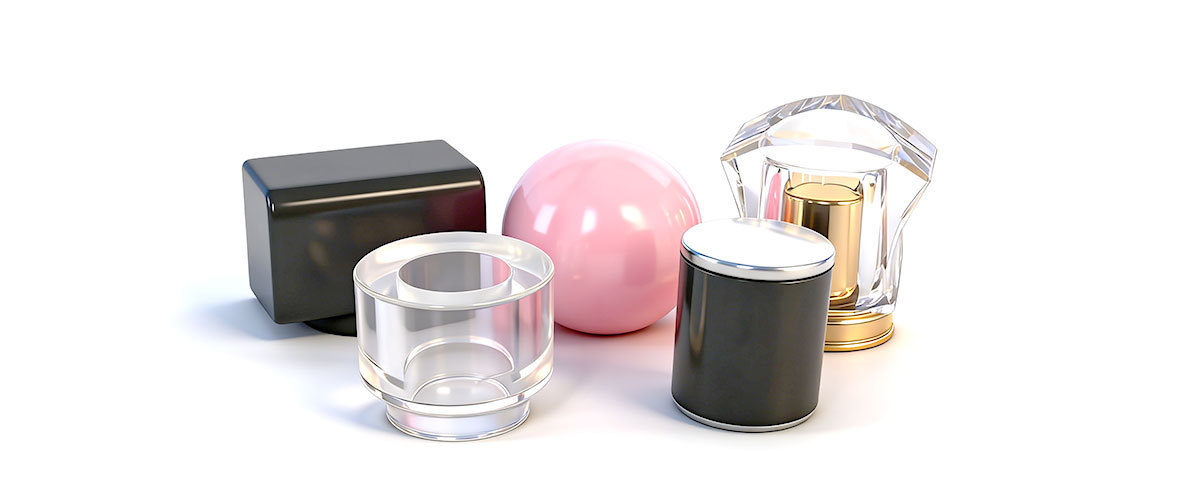
Plastic is incredibly versatile. Unlike metal, which requires stamping, or wood, which requires carving, plastic can be molded into almost any shape imaginable. Do you want a cap shaped like a pebble, a geometric cube, or a smooth ergonomic curve? Plastic makes it possible.
Lightweight and Shipping Costs
One of the biggest hidden costs in the perfume industry is shipping. Heavy caps increase freight costs significantly. Plastic caps are lightweight, which helps keep your logistics budget under control without sacrificing a high-end feel.
Durability
Plastic is resistant to corrosion. Unlike metal, it won’t tarnish over time. Unlike wood, it won’t swell or crack in humid environments. This ensures that your product arrives to your customer looking exactly as you intended.
Cost-Effective for Customization
For niche brands, custom molds can be a significant investment. Plastic offers a lower barrier to entry for custom designs compared to die-cast metal or intricate glass cutting.
Understanding Different Plastic Materials
Not all plastics are created equal. The material you choose affects the look, feel, weight, and price of your cap. Here are the five most common materials used in the industry.
Surlyn
Surlyn is often considered the premium choice for plastic perfume caps.
- ·Appearance: It has a "waxy," luxurious feel. It looks very similar to glass or ceramic.
- ·Properties: It is extremely scratch-resistant and has excellent chemical resistance to perfume oils.
- ·Best for: High-end niche brands looking for a heavy, premium feel without the weight of glass or metal.
PP (Polypropylene)
PP is known for its durability and flexibility.
- ·Appearance: It has a softer, matte finish. It is usually used for functional parts rather than decorative outer shells.
- ·Properties: It is incredibly durable and often used for "hinged" caps (flip-top closures).
- ·Best for: Roll-on bottles, travel sizes, or caps that require a hinge mechanism.
ABS (Acrylonitrile Butadiene Styrene)
ABS is the workhorse of the plastic world. It is widely used for injection molding.
- ·Appearance: It has a hard, rigid structure. It takes to plating (metallization) exceptionally well.
- ·Properties: It is tough, impact-resistant, and holds precise details.
- ·Best for: Brands that want a metallic look (gold, silver, chrome) on a plastic base. It is the go-to for electroplated finishes.
Resin
Resin is a broad term, but in the context of perfume caps, it usually refers to polyester resin.
- ·Appearance: It can be opaque, translucent, or clear. It mimics glass very well.
- ·Properties: It is heavier than ABS or PP, offering a premium weight. It can be mixed with materials like wood flakes or glitter for unique effects.
- ·Best for: Brands looking for a heavy, luxurious feel with unique visual textures (like marble or swirl effects).
Acrylic
Acrylic is prized for its clarity and high-gloss finish.
- ·Appearance: It looks like glass but is much lighter and more shatter-resistant.
- ·Properties: It can be polished to a crystal-clear finish or frosted to look like ice.
- ·Best for: Modern, minimalist brands that want a clear, see-through cap to showcase the inner mechanism or the sprayer.
Quick Comparation Table
| Material |
Feel |
Weight | Cost |
Best Feature |
|---|---|---|---|---|
| Surlyn | Waxy, soft |
Medium |
High | Scratch-resistant, premium feel |
| PP | Flexible |
Light | Low | Great for flip-top/hinge caps |
| ABS | Hard, rigid |
Light | Low | Ideal for metal plating (chrome/gold) |
| Resin | Smooth |
Heavy | Medium | Can mimic glass/marble; unique textures |
| Acrylic | Glass-like |
Medium | Medium | Crystal clarity and high gloss |
Understanding the Production Process
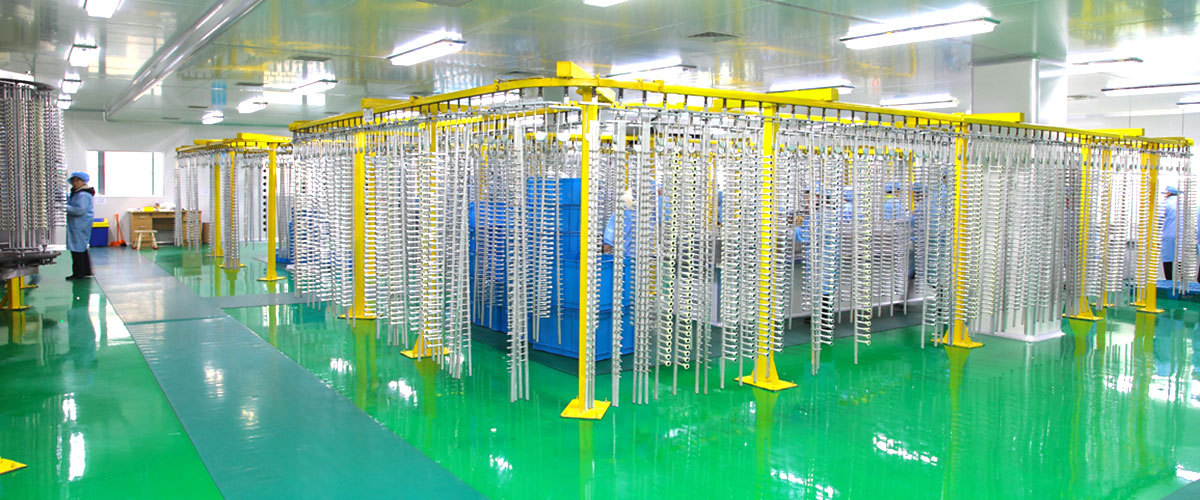
Understanding how a plastic perfume cap is made helps you appreciate the timeline and the costs involved. At GPBottles, we primarily use Injection Molding.
Step 1: Mold Making
Before any cap is produced, a steel mold must be created. This is the most critical step. The mold determines the shape, size, and texture of your cap. Typically, a mold takes 4 to 8 weeks to manufacture.
·Tip: If you want a custom shape, you will pay for the mold. If you choose a "stock" cap (an existing mold), you avoid this cost.
Step 2: Material Preparation
We select the raw plastic material based on your choice (ABS, Surlyn, etc.). The material comes in pellet form. Sometimes, we mix in color masterbatch to achieve your specific Pantone shade.
Step 3: Injection Molding
The plastic pellets are heated until they become liquid. This liquid is injected into the steel mold under high pressure. It fills every crevice of the mold to capture the fine details of your design.
Step 4: Cooling & Ejection
The mold is cooled so the plastic solidifies. Once solid, the cap is ejected. At this stage, it is a "raw" plastic cap.
Step 5: Secondary Finishing
This is where the cap gets its final look. Depending on your design, we may:
- ·Electroplating: Spraying metal ions (gold, chrome, nickel) onto the cap to give it a metallic shine.
- ·Spray Painting: Applying a matte, soft-touch, or glossy paint.
- ·Scren printing / Hot Stamping: Adding a logo or text.
- ·UV Coating:Adding a protective layer to prevent scratches.
Understanding the Price Differences
For niche brands, budget is always a consideration. The cost of a plastic perfume cap varies based on three main factors: Mold cost, Material cost, and Finish cost.
Mold Cost
This is a one-time investment, but the mold cost of plastic cap is significant higher than wooden cap and zamac cap.
- Simple ABS cap:The mold is generally cheaper because ABS flows easily.
- Complex Surlyn or Resin cap: Surlyn requires higher precision molds, which can increase the mold cost by 20-30%.
- Estimated Range:$2,000 – $8,000 depending on complexity and cavity count (how many caps are made per cycle).
Material Cost (Per Unit)
- ABS:This is the most economical. If you are looking to keep unit costs low, ABS is your best friend.
- PP: Also very low cost, ideal for functional caps.
- Acrylic:Mid-range. Slightly more expensive than ABS due to the clarity requirements.
- Resin:Mid-range to high. The weight and texture add to the cost.
- Surlyn:This is the most expensive plastic raw material on the list. It is often used for luxury niche lines.
Finish Cost
- Natural (Raw): Zero Cost, the cap remains the color of the plastic.
- Single-color Spray: Adds a moderate cost.
- Electroplating (Vacuum Metalizing): Adds a significant cost per unit but gives a high-end metal look.
General Rule of Thumb:
Budget Line: ABS + Standard Color
Mid-Range: Acrylic or Resin + Spray Painting
Premium Line: Surlyn or Resin + Electroplating + Hot Stamp Logo
Conclusion: Your Partner in Fragrance Packaging
Selecting the right plastic perfume cap is a balance between aesthetics, functionality, and budget. Whether you want the crystal clarity of acrylic, the luxurious waxy feel of Surlyn, or the cost-effective versatility of ABS, the right choice will elevate your brand’s identity.
At GPBottles, we take the guesswork out of the process. We are not just a supplier; we are your partner in creating one-stop customized perfume bottle packaging solutions for niche brands.
We guide you from the initial sketch to the final finished cap, ensuring that your packaging reflects the quality of the fragrance inside.
Ready to find your perfect cap?
Contact GPBottles today to discuss your project. Let us help you create a first impression that lasts.