Private Label vs Custom Perfume Bottles: Which Path for a New Brand?
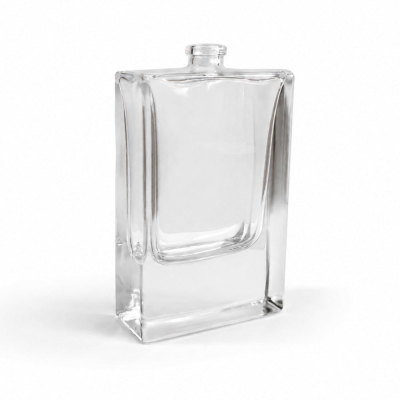
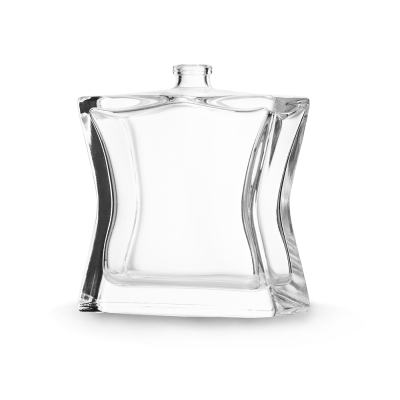
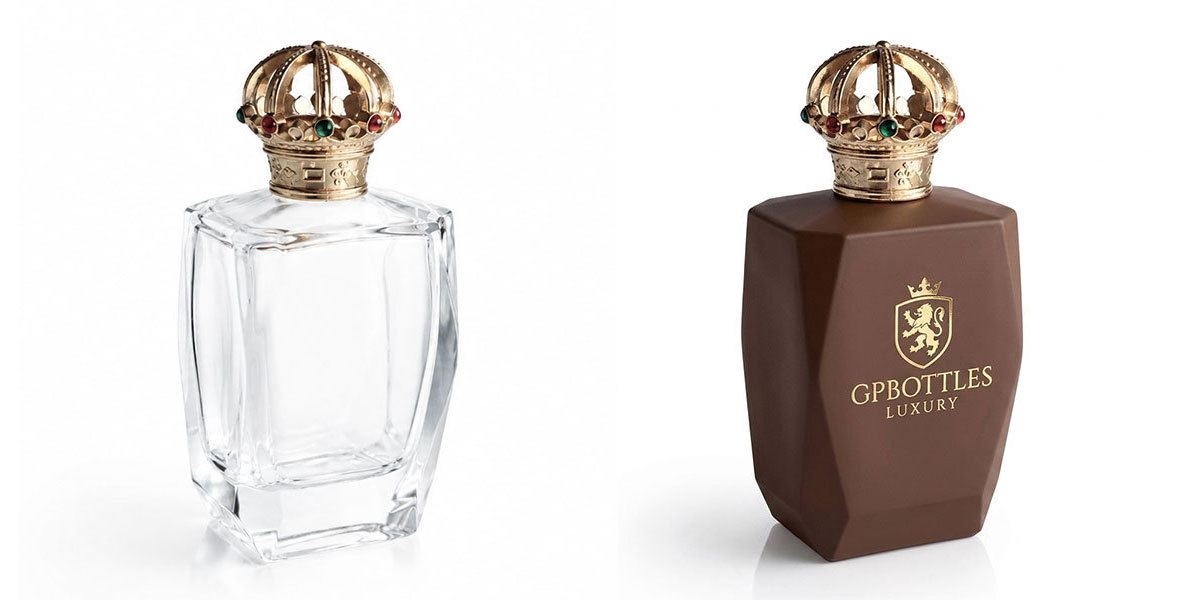
Every new fragrance brand reaches the same fork in the road: launch with a ready-made bottle and put your name on it, or invest in a bottle that is unmistakably yours. The right answer is rarely either-or. This guide compares the two paths — and the hybrid route between them — so you can decide on the basis of budget, timeline, and how much shelf presence you genuinely need at this stage. The two terms get used loosely across the industry, so let's pin them down before comparing numbers. Private label — often called "stock" or "ready-design" — means you buy a bottle that already exists in a manufacturer's catalog. The mold is already made, the minimum order quantity is low, and you make it yours with a custom cap, label, screen printing, or box. You skip tooling entirely; the bottle silhouette itself is shared with other brands. Custom — sometimes called "OEM" or "bespoke" — means the bottle is produced to your specification. You provide a drawing or a reference, the factory produces a mold, and the finished silhouette belongs to you alone. It is the route that turns packaging into intellectual property. The distinction matters because it drives everything downstream: cost, minimum order quantity, lead time, and whether you actually own the design at the end. Here is the whole decision on one table. These are industry benchmarks drawn from real sourcing conversations, and the exact numbers shift with material, decoration, and quantity. Cost is where most new brands get surprised — usually because they focus on the per-unit price and miss the tooling. A custom mold is a one-time investment, while a stock bottle spreads no mold cost but carries a higher unit price. Here is where the money actually goes. A custom mold is a one-time cost that pays for itself across reorders. If you plan to scale, the "cheap" stock bottle can quietly become the more expensive option per unit over the lifetime of the product. If you are racing a launch date, lead time may matter more than price. Private label is the fast lane: you select from an existing catalog, apply your decoration, and ship — often inside a month. Custom runs a longer, multi-step pipeline. A realistic private label order clears in 2–6 weeks; a fully bespoke bottle realistically spans 8–20+ weeks. If your whole launch — scent, package, and fill — is semi-custom, plan around a six-to-nine-month runway from brief to counter. This is where the paths truly diverge. A custom bottle gives you a unique silhouette and a design you can protect — packaging becomes a moat that competitors cannot copy without their own tooling. Private label keeps you visually close to every other brand drawing from the same base. The market is rewarding that difference. Independent and niche labels now drive roughly 20% of global fragrance category growth, and more than four in ten consumers say they prefer a custom scent over an off-the-shelf one. For a new brand, a distinctive bottle is the fastest way to signal that you are not another white-label clone. Most new brands do not need an entirely custom bottle on day one. The smart middle path is a proven stock bottle finished with a custom zamac, wooden, or magnetic cap — or colored glass and engraving — for a custom feel at a low MOQ. You capture most of the visual identity benefit at a fraction of the mold cost, and you can graduate to a full custom mold once demand is proven. Answer these honestly and the path usually picks itself. Not yet? Start on private label to test the market before committing capital to tooling. If the bottle is the brand, go custom — the silhouette is your identity. Short on cash? The hybrid stock-plus-custom-cap route buys you most of the effect. If yes, a custom mold amortizes fast and becomes the cheaper long-term play. Stock bottles can start as low as 500–1,000 units. Semi-custom packages typically land around 3,000–5,000 units, while a fully custom glass bottle usually starts near 10,000 units because of the mold. For a complete package — bottle, cap, sprayer, and box — at roughly 3,000 units, a realistic first-run budget is $20,000–$50,000 for custom or semi-custom, and meaningfully less if you go fully stock. Never skip compatibility and stability testing. Your supplier should run accelerated storage tests to confirm the juice does not react with the glass, coating, or sprayer over time. Over-customizing too early. A unique bottle can delay launch by a year and consume the marketing budget. Launch in a well-chosen stock bottle, build an audience, then invest in custom tooling for your second drop. Yes — and most brands do exactly that. The hybrid route is designed for it: validate on a stock bottle, then commission a custom mold once reorders justify the tooling. Private label is how you launch fast and cheap; custom is how you build a brand that cannot be mistaken for anyone else. For most new fragrance brands, the winning sequence is stock first, hybrid to differentiate, custom when you scale. Whichever stage you are at, the key is choosing a partner who makes both available — ready-design bottles, custom caps, and full bespoke tooling — so you are never forced into a decision your budget cannot support. Written by the GPBottles sourcing team in Hangzhou, China. We manufacture and decorate glass perfume bottles and zamac, wooden, and magnetic caps every day, and we quote these two paths for indie and niche brands daily — so these numbers come from the shop floor, not a brochure. Not sure which route fits your brand stage? Talk to GPBottles about your options 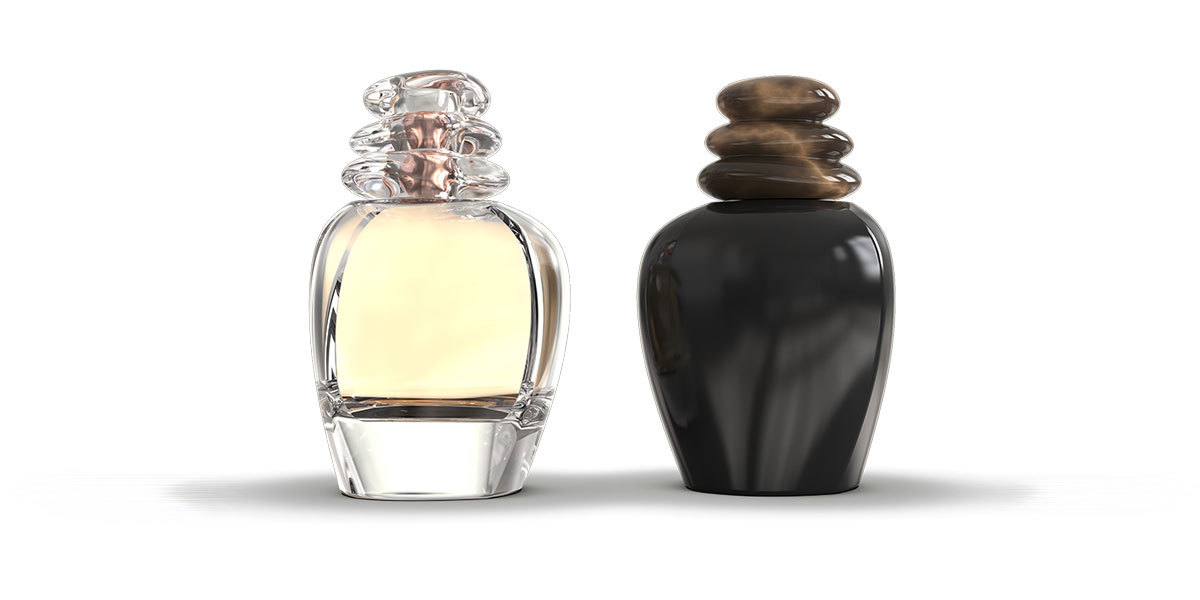
What "private label" and "custom" actually mean in fragrance
Private label vs. custom at a glance
Dimension
Private label (stock)
Custom (bespoke / OEM)
Upfront investment
Low — no mold, no tooling
High — mold, sampling, tooling
Typical MOQ
500 – 1,000 units
3,000 – 10,000+ units
Unit cost
Higher per unit
Lower per unit at volume
Lead time
2 – 6 weeks
8 – 20+ weeks
Design ownership
Shared with other brands
Exclusively yours (ownable IP)
Risk profile
Low — easy to test, easy to switch
Higher — capital committed before launch
Best for
Testing a concept, tight budget, speed
Proven demand, brand identity, scaling
The real cost of each path
Cost item
Private label
Custom
Bottle mold / tooling
$0 (stock catalog)
$5,000 – $25,000+
Bottle unit cost
$0.50 – $2.00
$2.00 – $8.00
Decoration (print / label)
$0.20 – $1.00
Often built into the design
First-run budget (~3,000 units)
~$10,000 – $20,000
~$20,000 – $50,000
Speed to market and lead times
Brand control, IP, and standing out on shelf
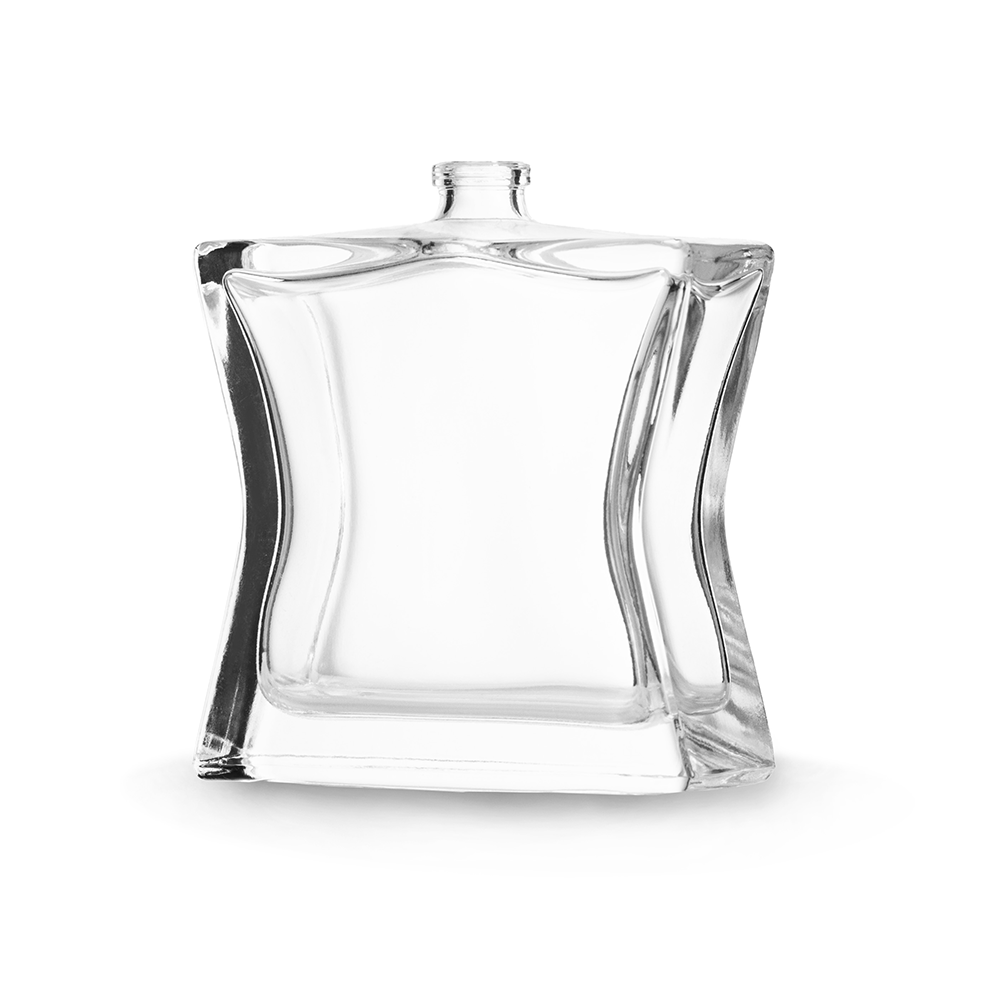
The hybrid route: a ready bottle with a bespoke cap
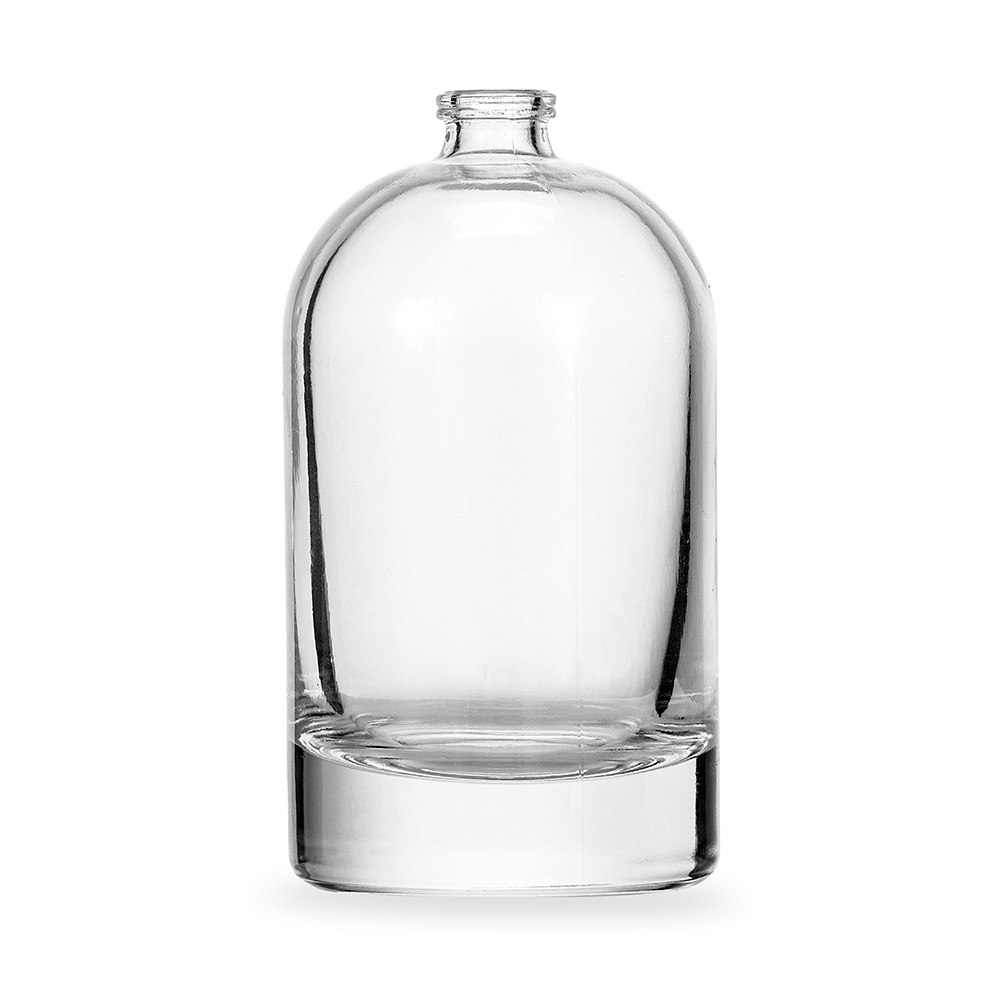
A four-question decision framework
Frequently asked questions
What is a realistic MOQ for a startup?
How much should I budget for my first run?
How do I make sure the bottle is compatible with my fragrance?
What is the biggest mistake new brands make?
Can I switch from private label to custom later?
The bottom line